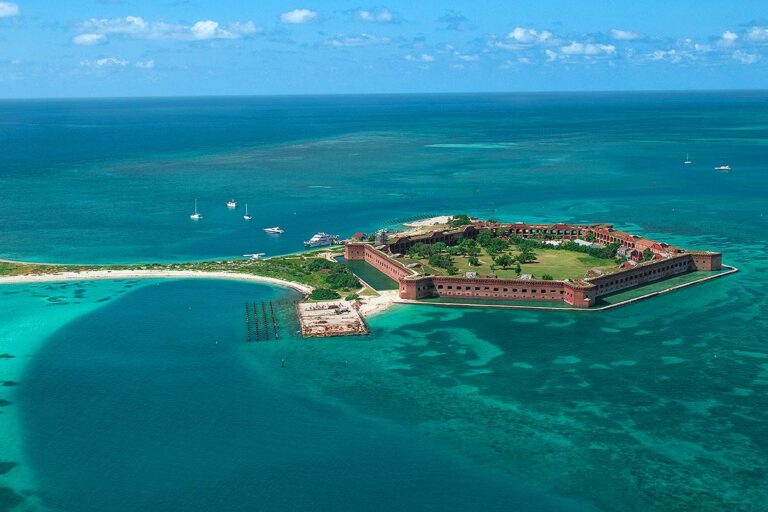
While Key West is celebrated for its sun-soaked beaches, open-air bars, and vibrant sunsets, it also safeguards a formidable maritime military heritage. Guarding where the Gulf of Mexico meets the Atlantic Ocean, the island was once called the “Gibraltar of the Gulf.” In the 19th century, military engineers built massive red-brick bastions to protect shipping lanes from hostile fleets. Today, exploring the Key West forts offers a fascinating look into Civil War blockades and coastal defense history.
Visiting the historic forts in Key West provides a compelling balance of outdoor recreation, scenic coastal vistas, and rich national history. Whether walking through the casemates of Fort Zachary Taylor Key West, touring botanical gardens in Civil War ruins, or taking the trek across open water to Dry Tortugas, these sites offer unforgettable experiences. This guide details the history, logistics, and unique sights across the most legendary Key West forts.
Best Activities and Things to Do Across Key West Forts
Exploring the island’s coastal fortifications allows visitors to experience living military history alongside state parks and scenic lookouts. Here are top activities to enjoy when touring the historic forts in Key West.
1. Tour the Civil War Casemates and Cannons at Fort Zachary Taylor
As the premier military bastion on the island, Fort Zachary Taylor Key West is an essential stop for history buffs. Construction began in 1845, and during the Civil War, the fort served as a vital Union stronghold in Confederate Florida.
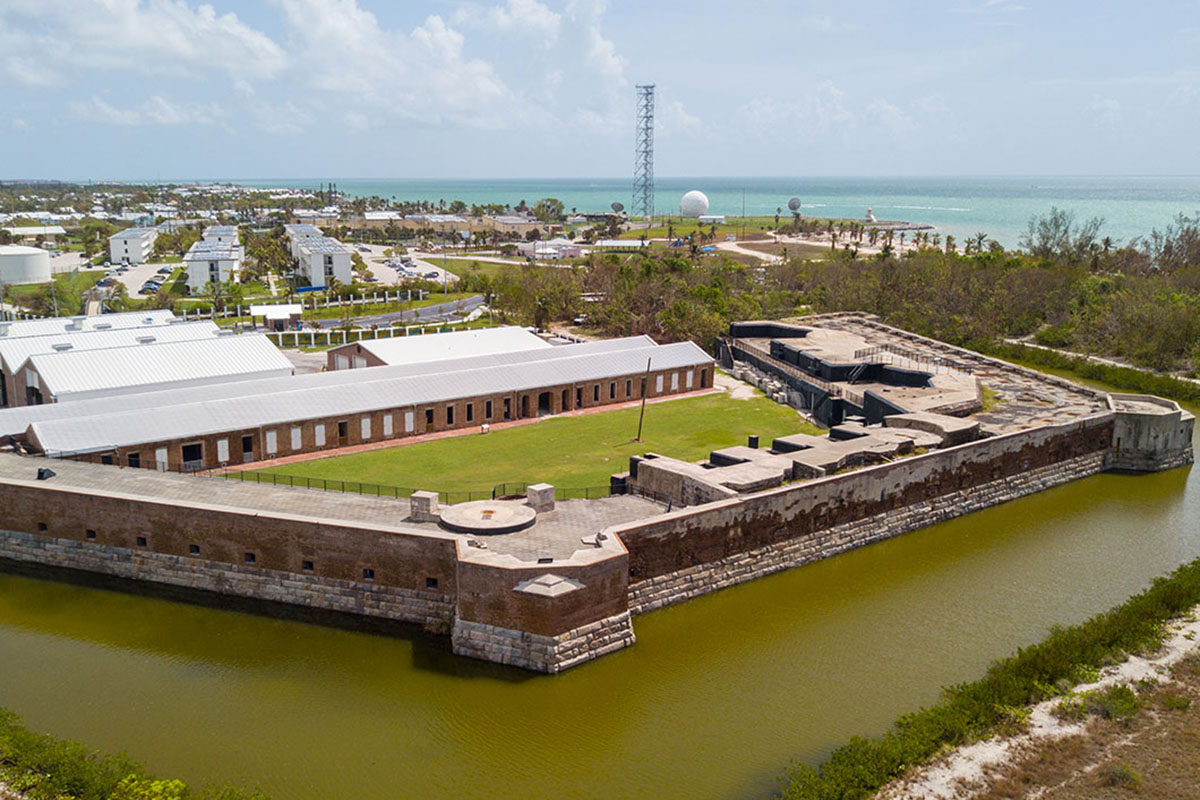
Visitors can join ranger-led walking tours or explore at their own pace. The site holds the country’s largest collection of Civil War-era coastal cannons, including Columbiad guns excavated directly from the fort’s foundations. Walking through these brick corridors illustrates how coastal garrisons defended shipping lanes.
2. Snorkel and Relax at Fort Zachary Taylor Beach (With Water Shoes)
Beyond military history, Fort Zachary Taylor Key West features one of the island’s favorite recreation areas, with clear waters and marine life perfect for swimming and snorkeling.
However, note a key practical detail: unlike mainland Florida beaches, the shoreline here does not feature soft sand. The beach is composed of crushed coral rock and limestone pebbles. Bringing durable water shoes is essential to protect your feet while walking along the shore or wading into the water.
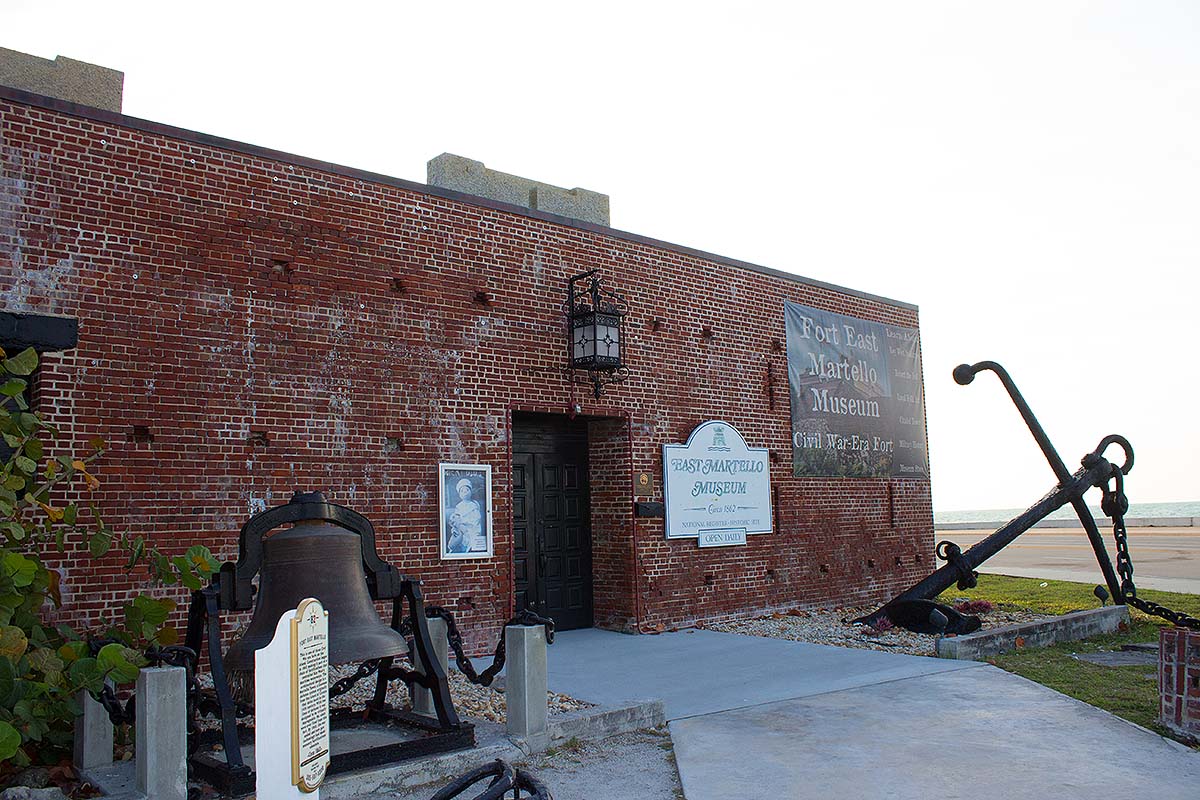
3. Meet Robert the Doll and Explore Folk Art at Fort East Martello
Built in 1862, Fort East Martello was designed as an eight-sided brick tower to defend against naval attacks. Though it never saw combat, the Key West Art & Historical Society restored the citadel into an art and history museum.
Inside the vaulted arches, visitors will find wrecking relics, folk art by Mario Sanchez, and metal sculptures by Stanley Papio. The museum offers an air-conditioned retreat, making it one of the premier rainy day activities in Key West. The fort also houses Robert the Doll, a famous folk icon where visitor etiquette requires asking polite permission before taking a photo.
4. Wander the Free Botanical Sanctuaries at Fort West Martello
Located along Higgs Beach, Fort West Martello was abandoned before completion during the Civil War. In the 1950s, the Key West Garden Club rescued the brick ruins, transforming them into a lush botanical sanctuary.
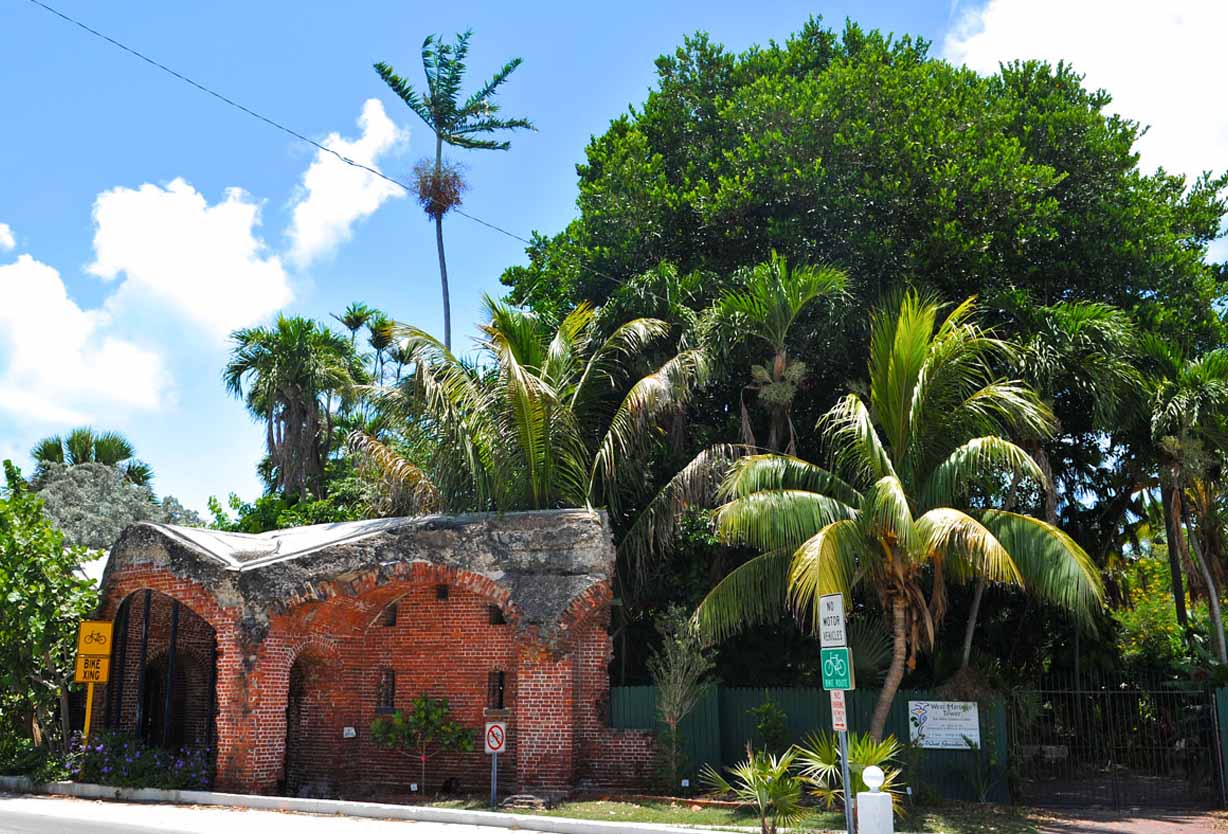
Today, visitors can stroll along brick paths lined with rare palms, blooming orchids, and lily ponds set in historic gun mounts. Maintained by volunteers, Fort West Martello is completely free to enter (donations appreciated), ranking among the top free things to do in the area.
5. Venture to Fort Jefferson at Dry Tortugas National Park
Located nearly seventy miles west of Key West, Fort Jefferson is the crowning jewel among historic forts in Key West. Built with over sixteen million bricks, this massive fortress occupies Garden Key in Dry Tortugas National Park.
Visitors can walk multi-tiered arcades, climb to the top level for panoramas of coral reefs, and snorkel along the exterior moat wall. The park offers bird watching, pristine waters, and some of the best scenic views on the island. An excursion here highlights the variety of Key West outdoor activities available to visitors.
The History and Defensive Legacy of Key West Forts
Understanding the strategic role of Key West forts reveals Florida’s coastal defense history. Early 19th-century military planners recognized that controlling the Florida Straits meant controlling maritime trade into the Gulf.
Strategic Civil War Fortress
When Florida seceded in 1861, Captain John M. Brannan marched Union soldiers into Fort Zachary Taylor Key West, securing it before Confederate troops could react. Key West remained under Union control throughout the Civil War, serving as the headquarters for the East Gulf Blockading Squadron, which intercepted nearly three hundred Confederate blockade runners.
Key Historic Facts
- The Largest Brick Masonry Fort: Fort Jefferson at Dry Tortugas is the largest brick masonry structure in the Western Hemisphere, utilizing over 16 million hand-placed bricks.
- Buried Artillery Cache: In 1968, volunteer excavators discovered that obsolete Civil War cannons had been entombed inside the brick walls of Fort Zachary Taylor Key West during late-19th-century modernization projects, uncovering the nation’s premier collection of Rodman and Parrott guns.
- The Lincoln Assassination Prison: Following the Civil War, Fort Jefferson was used as a military prison. Its most infamous inmate was Dr. Samuel Mudd, the physician convicted of aiding John Wilkes Booth following the assassination of President Abraham Lincoln.
Planning Your Trip to Fort Jefferson and Dry Tortugas
Visiting Key West forts requires simple planning, particularly when organizing island transportation to remote national parks.
Booking Fort Jefferson: Ferry vs. Seaplane
Reaching Fort Jefferson requires advance planning. The official catamaran ferry, the Yankee Freedom, departs daily from Key West Historic Seaport. The journey takes roughly two hours and fifteen minutes each way and includes breakfast, lunch, and snorkel gear. Ferry tickets routinely sell out three to six months in advance, while camping spots book up to a year ahead.
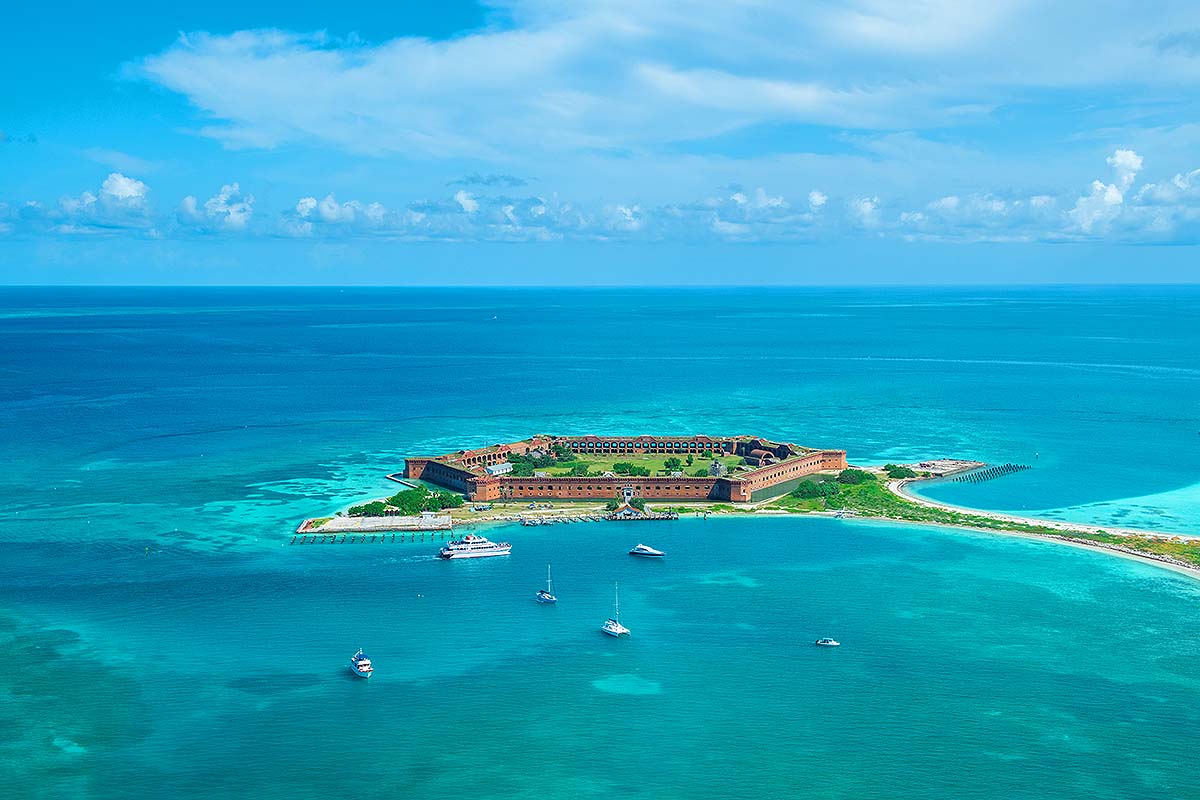
Alternatively, Key West Seaplane Adventures offers a forty-minute scenic flight from Key West Airport. Flying low over the shallow reef, passengers can spot sea turtles, sharks, and shipwrecks. While costlier than the ferry, it offers convenient morning and afternoon half-day trips.
National Park Operational Updates
Before visiting Fort Jefferson, check the official National Park Service (NPS) website. The park service occasionally initiates temporary closures along sections of the exterior moat wall or campgrounds for structural masonry repairs following seasonal storm activity.
Must-See Sites Across Historic Forts in Key West
Make sure to visit these premier locations when discovering Key West forts across the island:
1. The Excavated Casemates of Fort Zachary Taylor
Located at the end of Southard Street inside the Truman Annex, the interior casemates of Fort Zachary Taylor Key West showcase massive vaulted brick ceilings, gunpowder magazines, and historical interpretive displays detailing soldier life in the 1860s.
2. The Observation Tower at Fort East Martello
Climb the sturdy brick tower at Fort East Martello for sweeping panoramic views across the Atlantic shoreline and the Key West coastline. Photographers love this vantage point for capturing ocean horizons.
3. The Courtyard Gardens at Fort West Martello
Wander among the arched brick ruins overlooking the Atlantic Ocean. The Key West Garden Club has transformed this once-abandoned battery into a tropical showcase of blooming bougainvillea, bromeliads, and scenic ocean gazebos.
4. The Moat Wall at Fort Jefferson
Surrounding Fort Jefferson is an expansive seawater moat designed to protect the fortress walls from direct naval artillery strikes. Walking along the designated walkways offers incredible views of coral heads and marine life swimming in clear Gulf waters.
Preserving the Enduring Citadels of Key West
The Key West forts stand as monuments to 19th-century engineering and naval defense. From the artillery collections at Fort Zachary Taylor Key West to the gardens of Fort West Martello and the majesty of Fort Jefferson, touring these citadels enriches any vacation. Pack water shoes, reserve trips early, and explore the military heritage of the historic forts in Key West.
FAQs
What are the main historic forts in Key West to visit?
The four primary Key West forts are Fort Zachary Taylor Historic State Park, Fort East Martello Museum, Fort West Martello (Key West Garden Club), and Fort Jefferson located at Dry Tortugas National Park.
Is the beach at Fort Zachary Taylor soft sand?
No, the shoreline at Fort Zachary Taylor Key West is composed of crushed coral and limestone rock rather than powdery soft sand. Visitors should wear water shoes for comfort while swimming or walking along the water’s edge.
How far in advance should I book the ferry to Fort Jefferson?
The Yankee Freedom ferry to Dry Tortugas should be booked three to six months in advance, especially for winter and spring travel. Overnight camping permits sell out up to twelve months in advance.
Which historic forts in Key West are free to enter?
Fort West Martello, home to the Key West Garden Club, is completely free to enter, though donations are encouraged to help volunteers maintain the gardens.
Can you see Civil War cannons at Fort Zachary Taylor?
Yes, Fort Zachary Taylor Key West holds the largest collection of Civil War-era coastal armaments in the United States, including Columbiad and Parrott cannons excavated directly from the fort’s masonry.